Image tool · Live in the studio
AI Image to Image Generator
Change what you want. Keep what you need.
Upload an image, say what should be different, and get a new version back. Keep edits narrow when likeness matters. Stack results when you need several small changes instead of one overloaded rewrite.
No sign-in needed to look around the studio. Or try the simple edit a photo with an ai prompt page.
Image to Image
- Input
- Image
- Output
- Image
- Live models
- 12
- AI labs
- 5
(01)What it does
Editing by describing
Image to Image works on the picture you already have. It's for changing, fixing, and reimagining, not starting over.
Image-to-image on trendshiftlabs lets you upload one or more references, write a transformation prompt, and generate new variants. Live editors include Seedream, Nano Banana / Nano Banana Lite, Flux Kontext / Flux 2 Pro, GPT Image 2.5 Edit, and Grok Imagine.
You can open the studio app and look around without signing in. Generating spends monthly credits on a Starter, Creator, or Pro plan. Outputs save to your gallery so you can reuse them in other tools.
Who it's for
Who image-to-image is for
Open this tool when you already have composition, identity, or layout you want to keep. Product packshots, character sheets, sketches, and almost-right AI frames all belong here. You describe the change; the model should leave the rest alone.
If you are inventing from zero, use text-to-image. If you only need a cutout, use remove background. Image-to-image is the edit desk, not the blank canvas.
- Edit with a sentence
- 'Make it night', 'swap the jacket to red', 'turn this sketch into a photo'. That's the whole workflow.
- Keep what matters
- Good edits change one thing and leave the rest alone. The models we run are picked for exactly that.
- Stack your changes
- Use any result as the input for the next edit. Small steps get you to precise places.
- Several editors, one place
- Seedream, Nano Banana, Flux Kontext, GPT Image and more. If one model misreads you, another won't.
(02)How it works
How you use it
Upload it
Any image works as a starting point.
Say the change
One clear sentence per edit works best.
Compare and keep
Old and new, side by side in your gallery.
(03)Models
What it runs on.Twelve live models from five labs.
Every model listed here is live in the studio today. Switch between them in the composer; each one reads a prompt a little differently.
- ByteDance
- Seedream 5.0 Lite Edit
- Seedream 4.5 Edit
- Seedream 5.0 Pro Edit
- Google
- Nano Banana Edit
- Nano Banana 2 Edit
- Nano Banana Pro Edit
- Nano Banana Lite
- OpenAI
- GPT Image 2.5 Flare Edit
- GPT Image 2.5 Sunburst Edit
- Black Forest Labs
- Flux Kontext Pro
- Flux 2 Pro Edit
- xAI
- Grok Imagine Edit
(04)Guide
Edits that stick
Say the change in one clause. "Make it night," "swap the jacket to red," "turn this line sketch into a photo" work better than a paragraph that also rewrites the whole scene. When you stack edits, use the latest output as the next input so drift stays intentional.
If one editor misreads you, switch model instead of stuffing the prompt. Seedream, Nano Banana Edit, Flux Kontext / Flux 2 Pro, GPT Image 2.5 Edit, and Grok Imagine Edit each lean differently on style and obedience.
Practical tips
- Change one thing per run when precision matters.
- Keep a clean reference crop when identity must hold.
- For sketches, say the target medium explicitly: photo, clay render, flat illustration.
- Download before a big rewrite so you can branch.
Know before you spend
Where it still fights you
Heavy style transfers can warp faces and logos. Tiny text on packaging often needs a second pass or a non-AI cleanup. Extreme outpainting of empty edges can invent clutter you did not ask for.
Credits scale with the editor and resolution you pick. Small, sequential edits usually waste fewer credits than one overloaded prompt that fails.
(05)Use cases
Small words, big changes
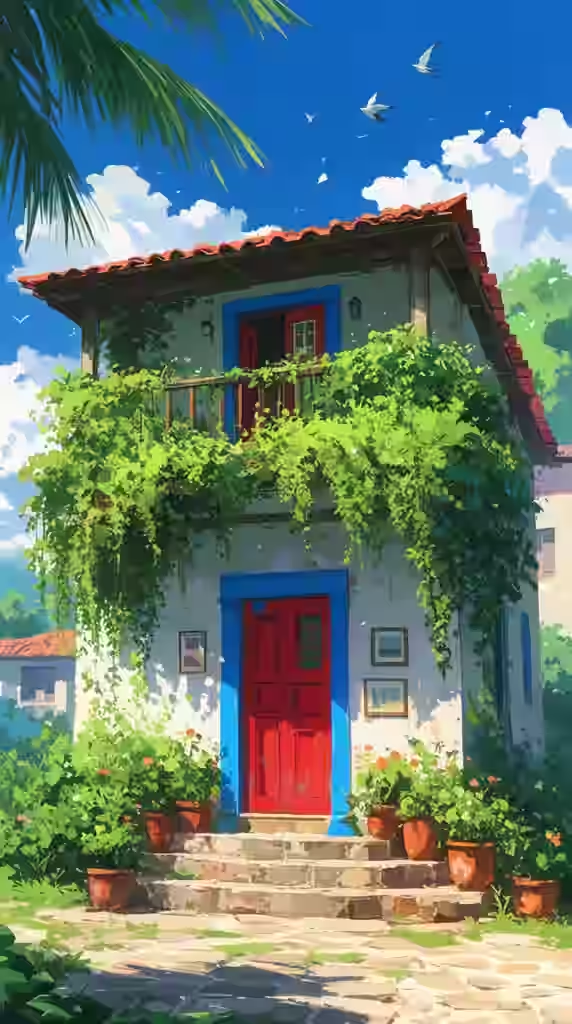
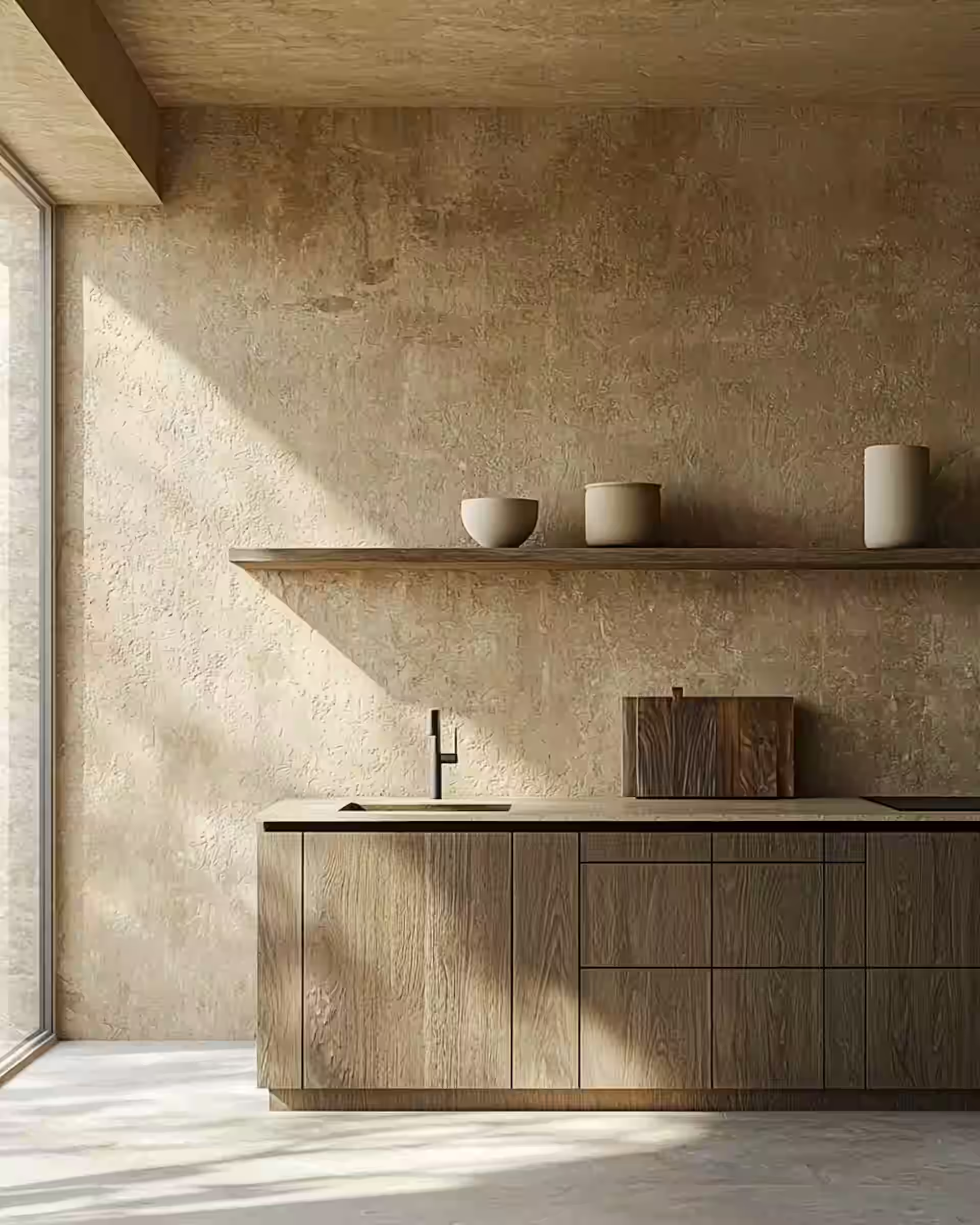
New style, same subject
Turn a photo into an illustration, or the other way around.
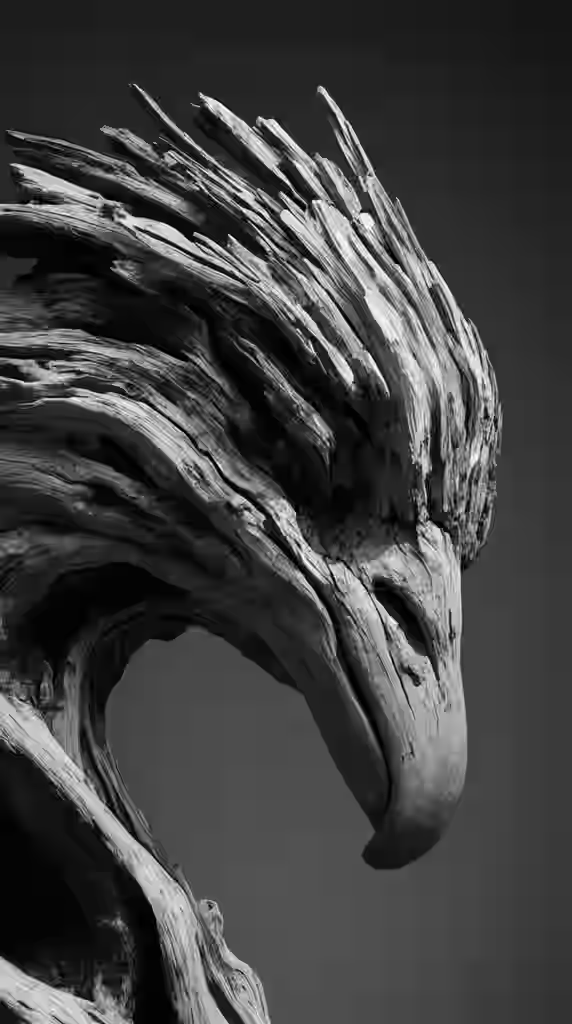
Fix the details
Colors, lighting, backgrounds, small object swaps.
Remix a reference
Keep the composition, change everything else.
FAQ
Questions about Image to Image
The things people usually ask before their first generation. Anything else? Ask us.
Most of the time, if your edit is narrow. Broad style swaps are likelier to drift. When likeness matters, keep the instruction short and avoid restating the whole scene.
Yes. Each result can become the next upload. That is the usual path from "almost" to "done."
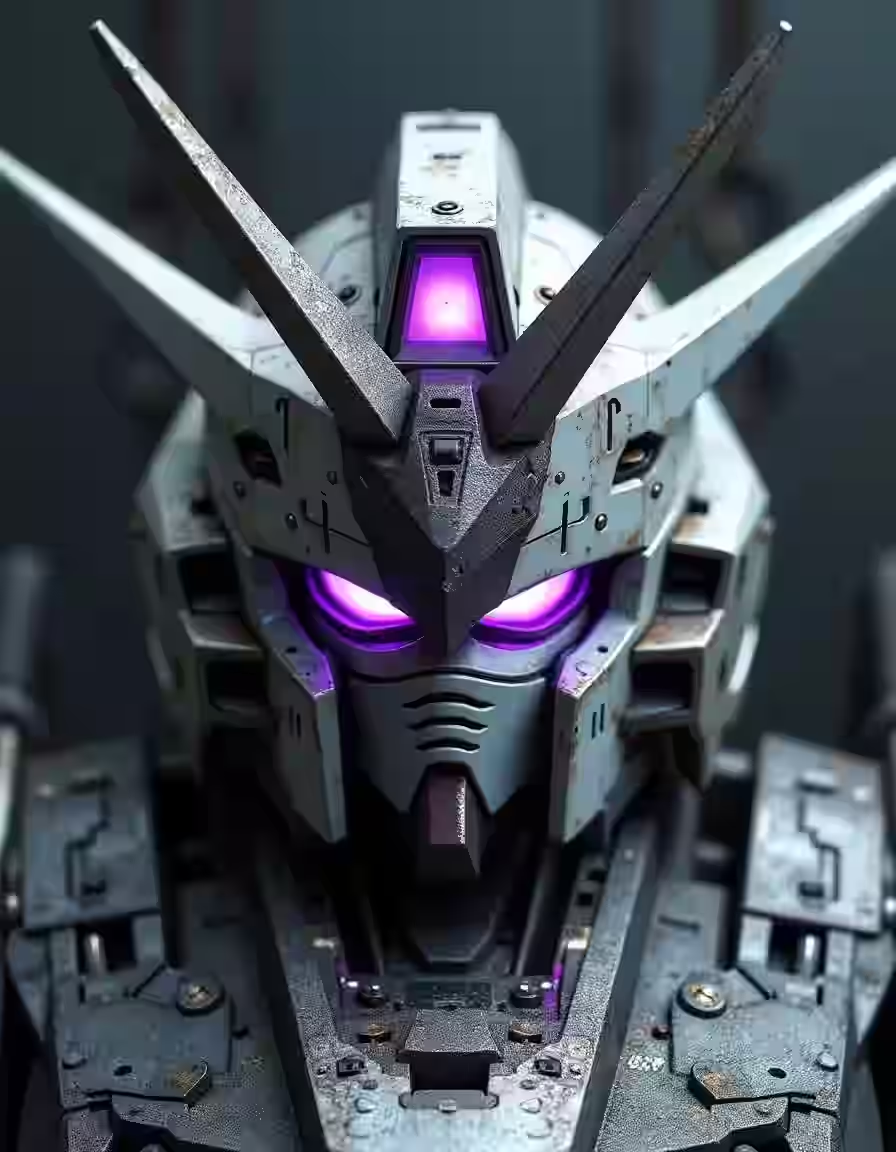
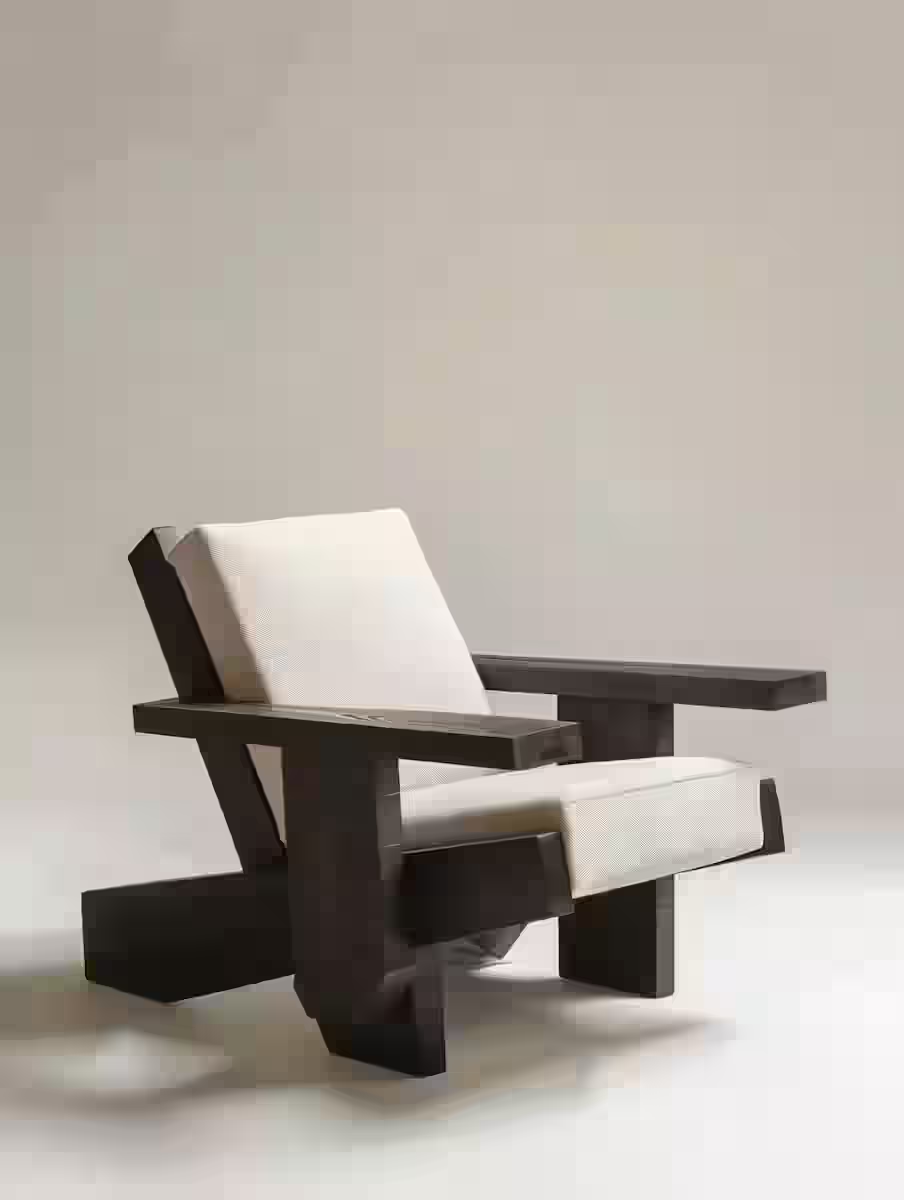
Image to Image
Bring an image. Leave with a better one.
Open the studio and look around without signing in. Generating spends credits from a Starter, Creator, or Pro plan, and every result lands in your gallery.